Sega Game Gear, All Original, Made in Japan - Fully Recapped with USB-C Power
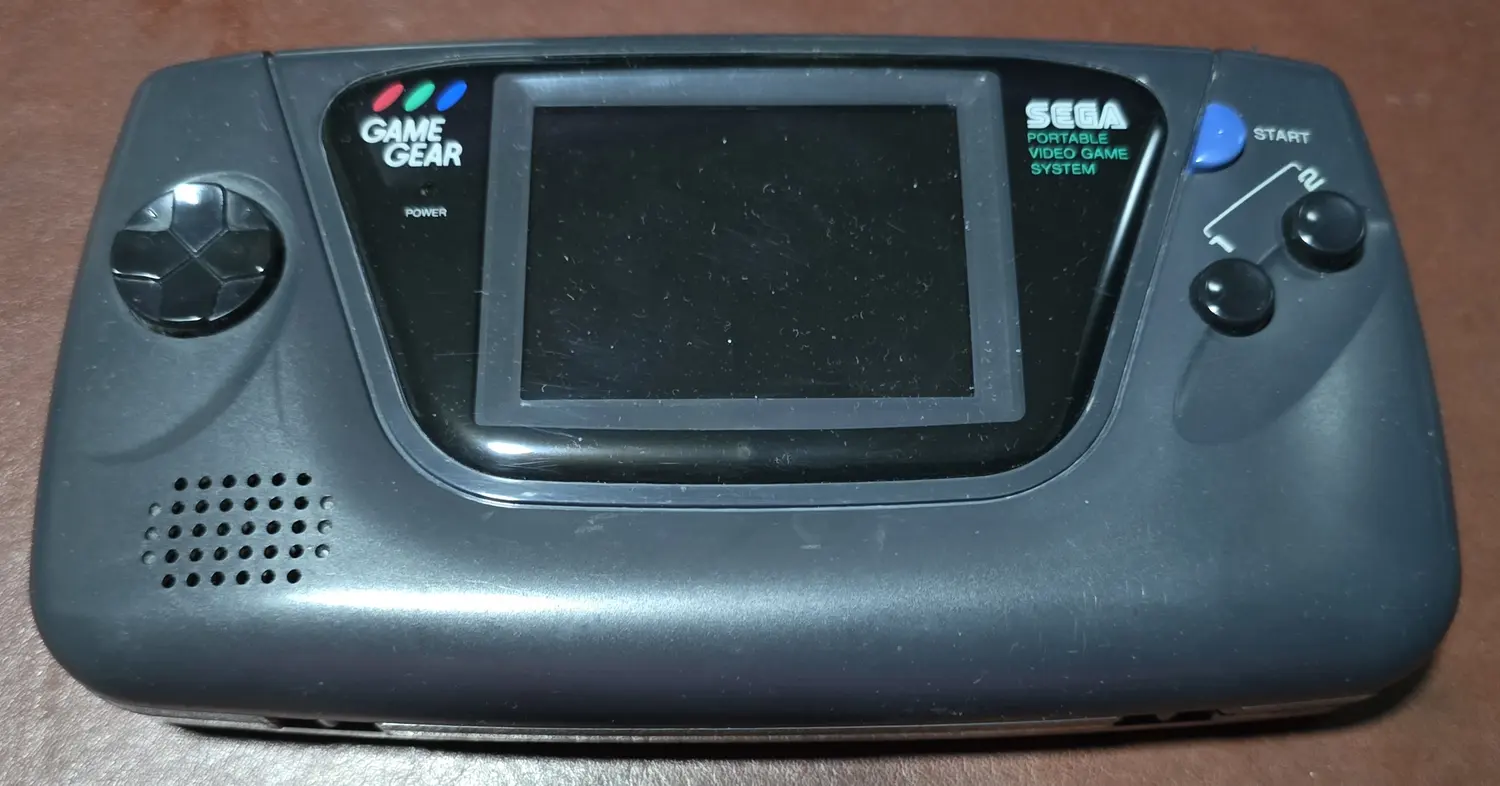
One specific Game Gear, serial B31314904, made in Japan: its original screen working properly, both original battery doors, the EXT cover still on it, and all three boards recapped. Nothing on this console has been replaced with an aftermarket part.
$160.00
Adding games or accessories to a bundle? Take 20% off, or 35% when you add three or more.
A real Game Gear, still entirely itself
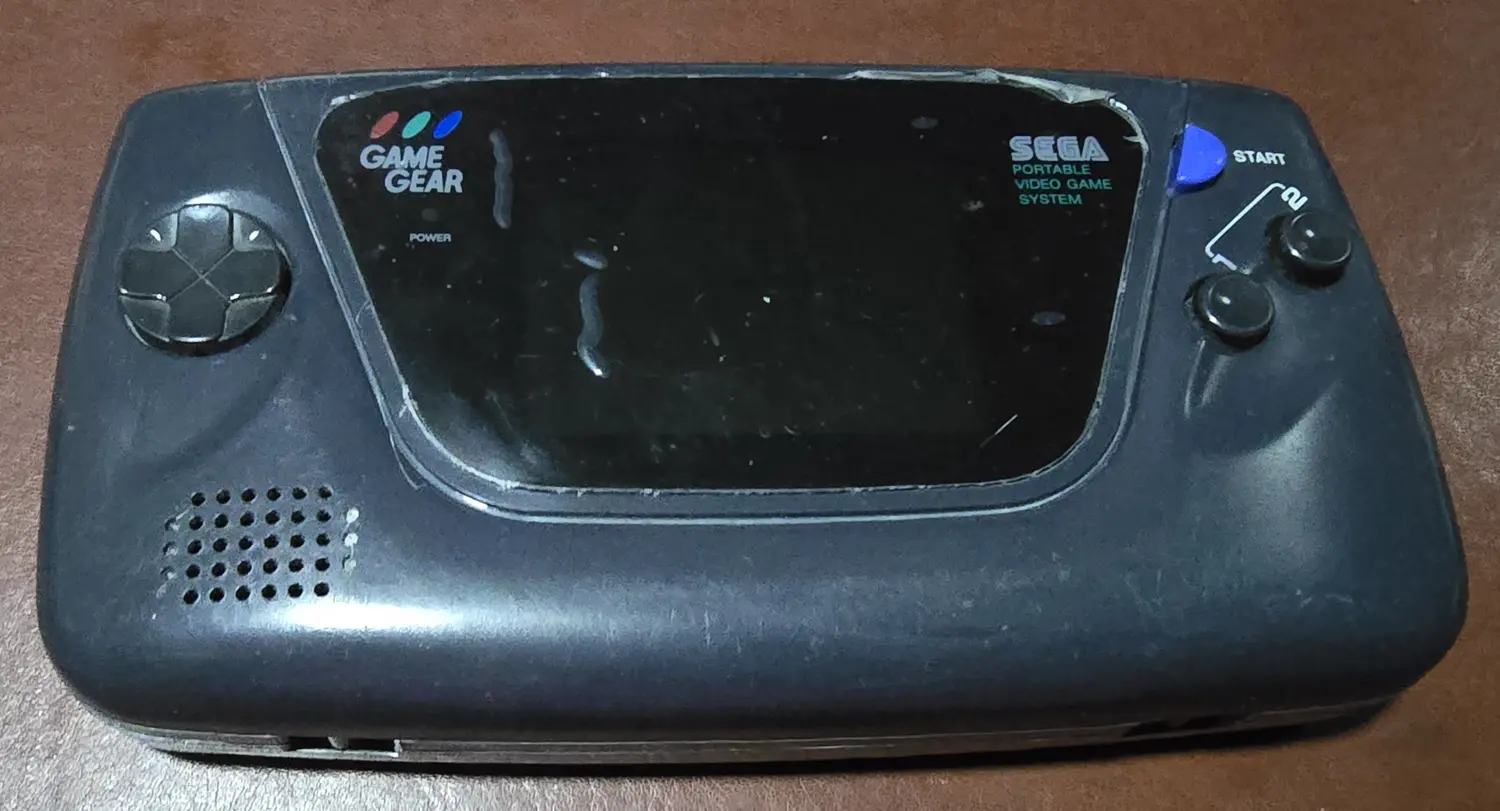
This is the one for someone who wants the machine, not a modernized version of the machine. Original Sega LCD. Original shell. Both original battery doors, which is already unusual. And the EXT port cover is still fitted, a floppy little rectangle of plastic that fell off and got lost on most of these thirty years ago. You can see it in the third photo.
Switch it on and you get the saturated colors, the visible pixel grid, and the viewing angle you have to hunt for, because that is what a Game Gear looks like. Sega’s handheld was the one with the color screen when the competition was green-on-greener, and thirty years later that still lands.
No IPS conversion. No internal USB-C port. No reshell, no aftermarket sound board, no replacement doors from a bag of Chinese spares. A Game Gear that works properly and is still entirely itself is the hard combination to find, because the usual way to make one work is to start replacing parts.
The rating label reads MADE IN JAPAN. Most North American Game Gears you meet were built in Taiwan. Same machine, but if you are the kind of buyer this listing is written for, you probably care about that too.
No games, no AA batteries, and no USB-C charger are included. This is the console by itself. The adapter takes any ordinary USB-C cable you already own.
Add games and they ship in the same box
This one comes as the console, deliberately. Which cartridges belong with a Game Gear is a matter of taste, and picking them for you is how people end up with three games they did not want.
So take your pick from the shelf and add them to the same order. They go in the same box, on one shipping charge, and I test every cartridge in a real console before it goes out. A few worth a look:
- Super Columns is the obvious one to start with. It was the pack-in in North America, so for a lot of people it is the first thing that was ever in this machine.
- Ecco: The Tides of Time is the handheld entry in Sega’s strangest, prettiest series, and it shows off what the colour screen could do when somebody tried.
- The Flash Gear Pro+ flash cart is the practical answer if you would rather have the whole library on a microSD card than hunt cartridges. It leaves the console completely unmodified and brings the entire library in one cartridge.
Browse everything for the Game Gear and add what you like.
Other bundles on the bench
There are two other Game Gears here right now, and they are not equally different from this one.
- Recapped Game Gear with three games is close to a sibling. Same idea, same original screen, same USB-C-on-an-adapter approach, recapped the same way. The differences are which cartridges come with it and the details of each machine’s history.
- Game Gear IPS + Built-in USB-C is a genuinely different animal: a bright IPS panel, a USB-C port fitted into the shell where the barrel jack was, and a flash cart. Nothing here is a criticism of that build. It is much nicer to use. It is also no longer an original Game Gear, which is the trade.
This listing is for the buyer who wants the original screen and an untouched machine, and that is the whole point of this console.
Modern power that does not modify anything
The included Console Artisan CA-DGG1 adapter plugs into the console’s own DC jack and runs it from any USB-C source: phone charger, power bank, laptop port. No USB-PD negotiation required, so it is not fussy about what it is plugged into.
Nothing inside the console is altered, which is rather the point on this particular unit, and you can still drop in six AA batteries any time you like.
The gory repair details
All three boards have been recapped, and here is exactly what went where. Aluminium electrolytics on the main board and on the power board. Ceramics on the sound board. The main board was recapped years before the other two, and when I opened this one up again I found the power and sound boards still sitting on their 1993 originals, which is backwards from the order these usually fail in. So they got done the same day.
Every Game Gear needs this. The surface-mount capacitors Sega used are a wear item, and they are the reason most surviving units are dim, silent, or dead.
One detail on the sound board that most listings would not bother with. Ceramic capacitors lose a chunk of their rated value with DC voltage across them, and the caps in question are the audio coupling caps, so getting that wrong does not blow anything up, it just quietly thins out the bass. I fitted 16 V parts into positions the factory filled with 6.3 V and 4 V ones, which keeps them far enough from their rated voltage that you get close to the value on the label. Then I listened to it, because the part number is a prediction and your ears are the measurement.
The battery contacts had visible corrosion when this console came to me, and old leakage had crept a little past the contacts toward the volume wheel. I cleaned all of it. Photo 7 is the bays after cleaning, doors off, so you can look at them yourself. Cleaned corrosion is a normal, fixed thing. Hidden corrosion is how you end up with a dead console in six months, and a listing that says nothing at all about the battery contacts on a thirty-year-old handheld is hoping you will not check.
Condition and what I tested
Cosmetically it is very good for its age. Light marks on the shell and fine scratches on the screen lens, both visible in the photos above. Nothing is cracked and nothing is missing, and nothing has been polished to disguise wear. The edge photos are there so you can judge it for yourself.
Tested: screen, sound through both the speaker and the headphone jack, every button, the brightness and volume wheels, the cartridge slot, and the DC jack, on battery power and on the included adapter.
I do not bench-test these, I play them. A quick power-on tells you a console boots. It does not tell you that the d-pad still registers a diagonal in the middle of a jump, that button 1 does not need a second press when you are actually leaning on it, or that the sound holds up over an hour instead of a minute. So each of these gets played, with a real cartridge, for long enough to find the faults that only show up under use. Everything on that list works reliably, not marginally.
About the maker
I’m an electrical engineer and long-time hobbyist with a passion for vintage electronics, especially classic video games. The items I sell are projects from my personal workshop. Everything is guaranteed working on arrival and in the state described. Thanks for looking.
Specifications
| Console | Sega Game Gear, model 2110 (North America), board revision VA1 (837-9024), MADE IN JAPAN, serial B31314904 |
|---|---|
| Cosmetic | Very good original condition for its age, with light marks on the shell and fine scratches on the screen lens. See photos. |
| History | Battery-contact corrosion was present and has been cleaned |
| Originality | Original shell, screen, both battery doors, and the EXT port cover. No aftermarket parts fitted. |
| Power | Console Artisan CA-DGG1 USB-C adapter included; the console also still runs on 6x AA |
| Recap | All three boards: aluminium electrolytics on the main and power boards, 16V ceramics on the sound board |
| Screen | Original Sega LCD, working correctly. Not an IPS or backlight conversion. |
| Whats Not Included | AA batteries, a USB-C cable or charger, and games are not included |
Similar items
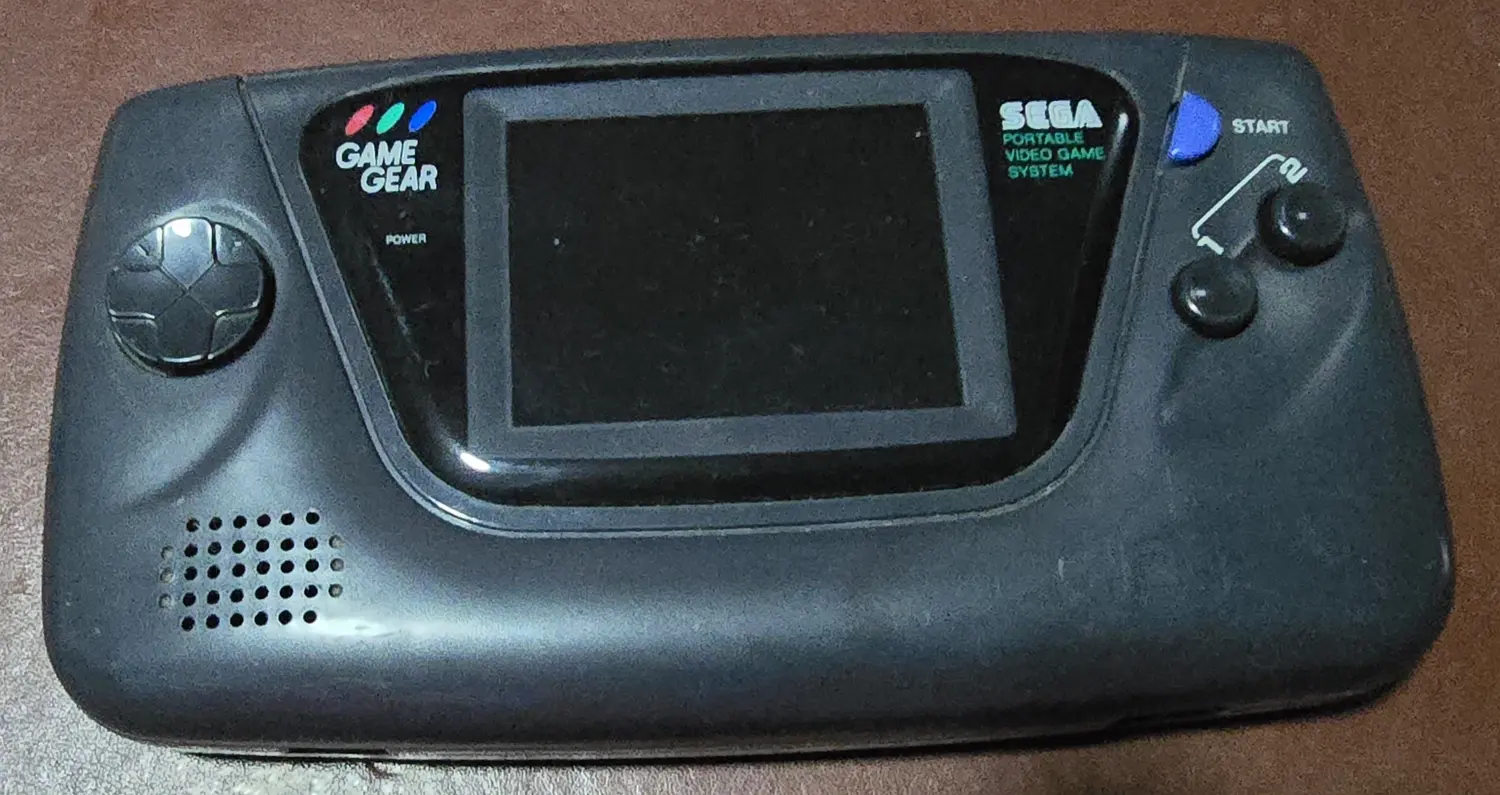
Sega Game Gear, Fully Recapped, Original Screen - USB-C Power & Three Games
One specific Game Gear, serial 031911785: its original screen working properly, three real cartridges, and USB-C power that plugs in rather than replaces anything. No mods, all nostalgia.
$200.00
Game Gear IPS + Built-in USB-C - Modded Sega Game Gear with Flash Cart
One specific Game Gear, serial 031143350: a bright IPS panel, a USB-C port where the barrel jack used to be, and a flash cart with the whole library on it.
$230.00
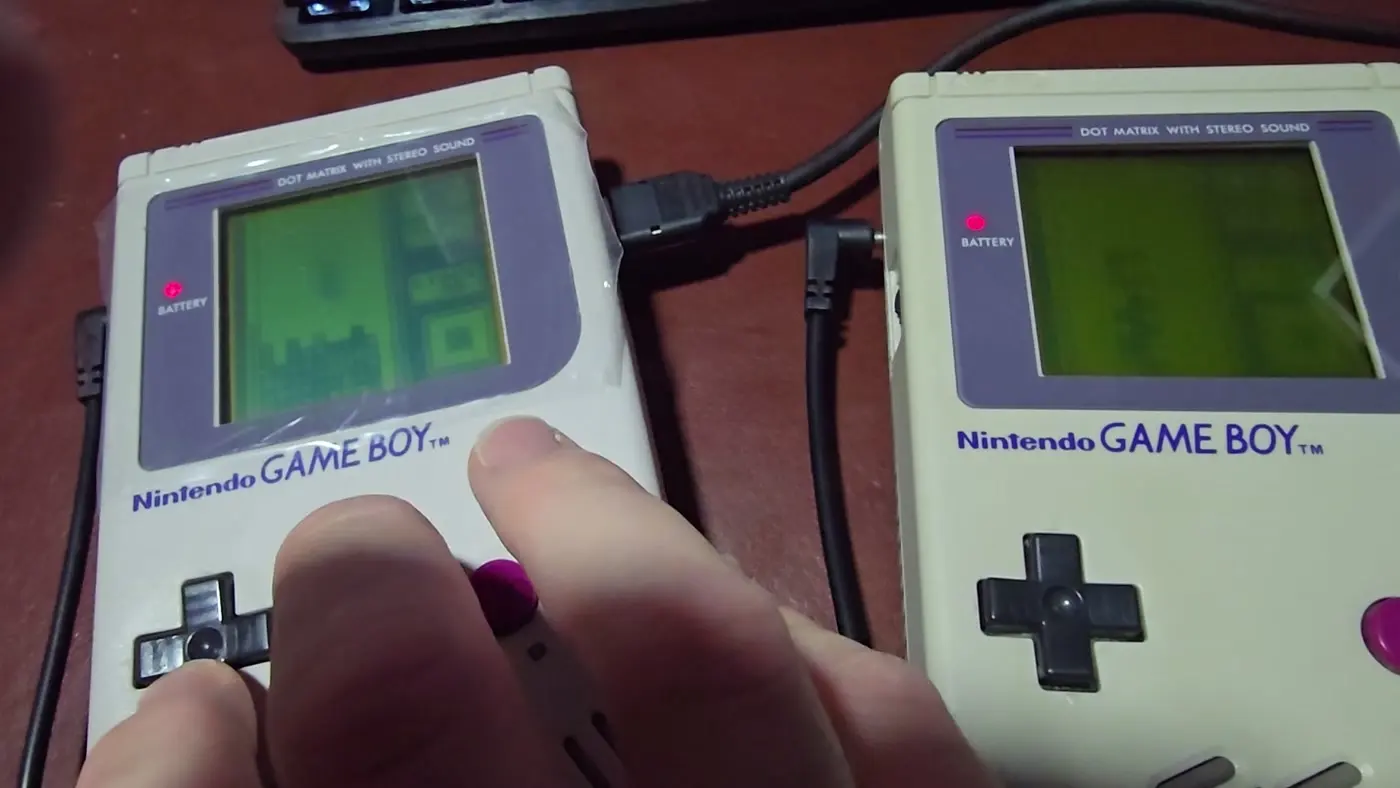
Game Boy Head-to-Head Bundle - Two Restored DMG-01s, Tetris, Link Cable & Flash Cart
Two restored original Game Boys, a genuine Nintendo link cable, and Tetris. The exact setup Nintendo built the link cable for in 1989, assembled and tested as a pair.
$350.00
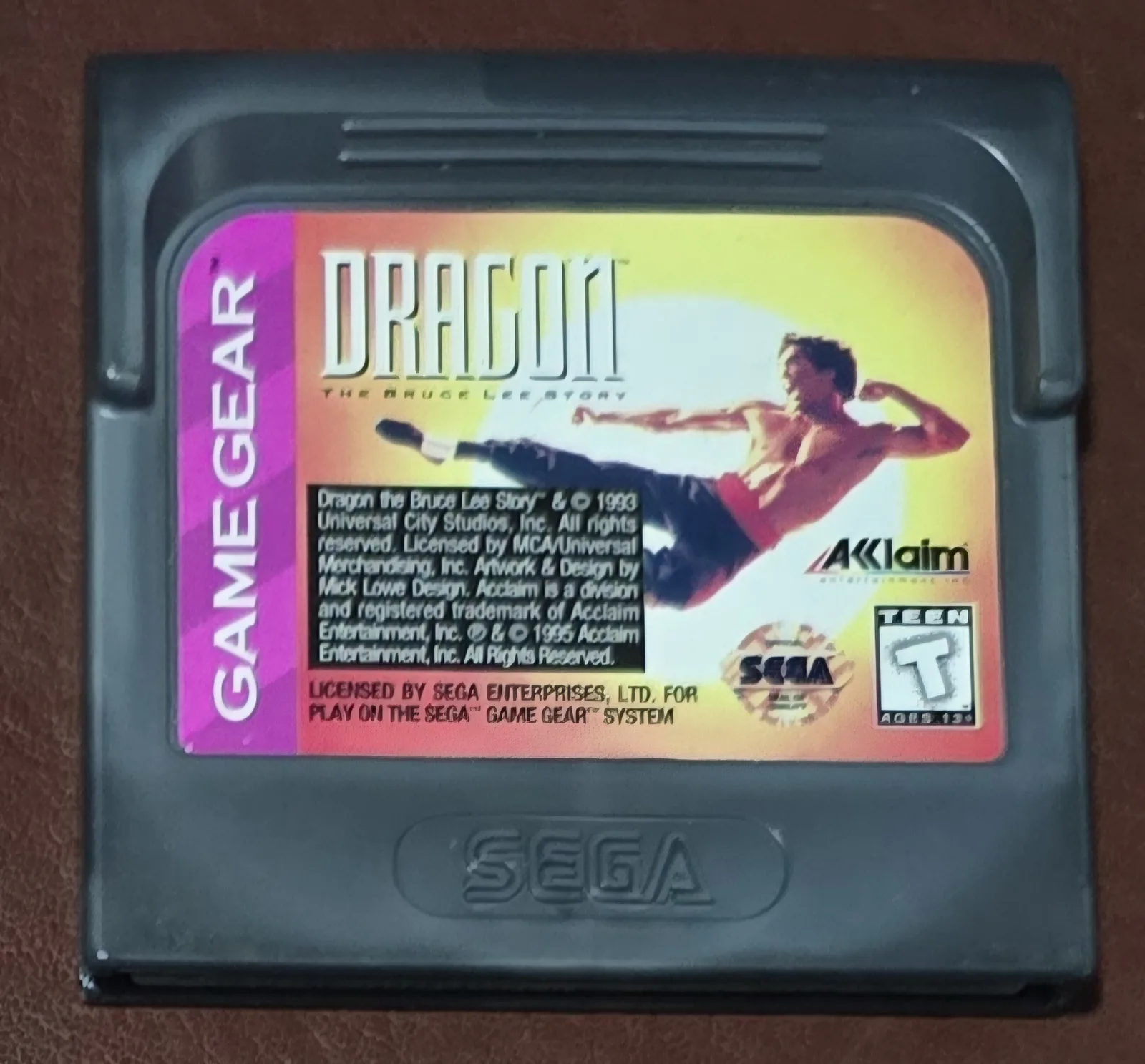
Dragon: The Bruce Lee Story (Game Gear) - Authentic Sega Cartridge, Tested & Cleaned
The official Bruce Lee movie tie-in, reworked into a handheld brawler. Region-free, tested and cleaned, pick your condition grade.
$25.00