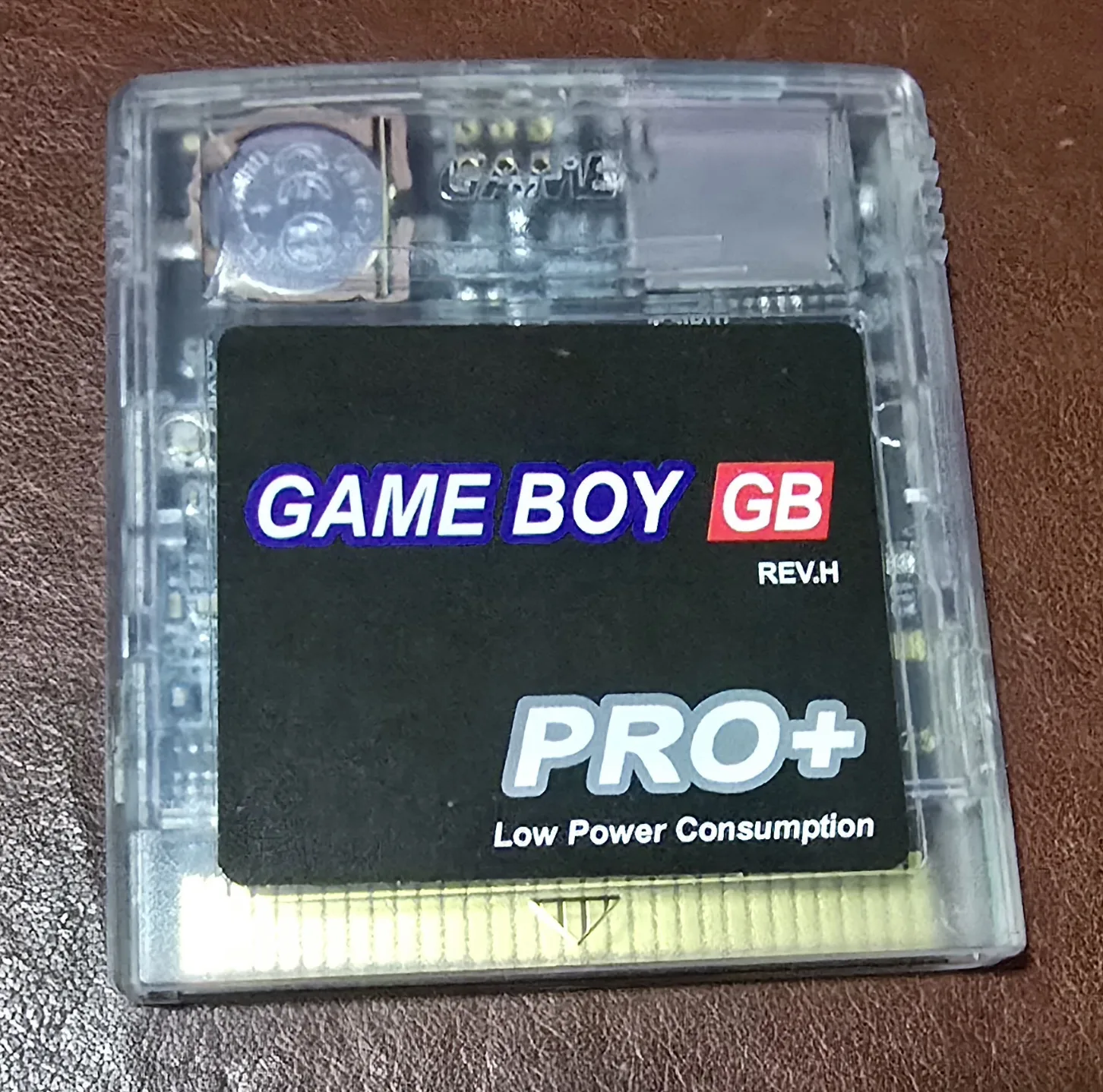
GB Pro+ - Game Boy / Game Boy Color microSD Flash Cart
A microSD flash cart that runs the Game Boy and Game Boy Color libraries off one card, in an original Game Boy. Ships blank and ready for you to load, and opened and bench-tested by me before it goes out.
One cartridge, the whole Game Boy library
This is a microSD flash cartridge for the Nintendo Game Boy and Game Boy Color. Put your games on the card, put the card in the cart, and pick from a menu on the Game Boy’s own screen. One cartridge instead of a shoebox, and no more hunting for the one you actually wanted to play.
It runs on an original DMG-01, which is the photo above: one of these carts, on my bench, in a grey brick from 1989. It works the same in a Pocket, a Color, or a Game Boy Advance.
The nice part of doing this on a Game Boy specifically is that the console is already the perfect travel machine. It runs on AA batteries, it survives being thrown in a bag, and now it has every game you own in it.
What you’re getting
- Game Boy and Game Boy Color, both, off one microSD card, region-free.
- Gold-plated edge connector, an onboard reset button to get you back to the menu, and a clear shell so you can see the board doing the work.
- A
CR1220coin cell that lives in a clip, holding the cart’s state. I check it during final testing and replace it if it needs replacing, which is the sort of thing a drop-shipper never touches. When it does eventually go flat on you, it is a screwdriver and a $2 battery, not a soldering iron, which is the opposite of the tabbed cells soldered into real Game Boy cartridges. - A microSD card, blank and ready for you to fill.
This is NOT a genuine Krikzz - and here’s why that matters
Krikzz makes the EverDrive line this is modeled on, and I would rather you knew exactly what you are buying from me:
- The closest equivalent is the genuine EverDrive-GB X5 (about $85), and the top of the Game Boy line is the EverDrive-GB X7 (about $148).
What the genuine carts give you that this clone does not:
- On the X7: save states, a real-time clock, and an in-game menu. The RTC is the one to think hard about, because a handful of games want a running clock.
- Official firmware updates, support and a warranty through authorized sellers. This clone’s firmware is frozen at whatever shipped on it.
- Guaranteed mapper accuracy, tested against the whole library by the person who designed it.
So why buy mine? The X5 is $35 more than this and the X7 is nearly three times it, and for the overwhelming majority of the Game Boy and Game Boy Color libraries this does the same core job. More to the point, I open these and test them before they ship, which is the entire difference between buying from me and buying the same board off a marketplace listing written by someone who has never seen one. Or buy direct from krikzz.com, with my blessing. He built this whole ecosystem and he is worth the money if you want the polished version.
Before you buy
Two things that are worth knowing up front, because neither is a defect and both surprise people:
- It does not play Game Boy Advance games. This is a Game Boy cartridge. A GBA will run it, because a GBA runs Game Boy carts, but GBA titles need a GBA flash cart.
- Game Boy Color-only games will not run on an original DMG or a Pocket. That is true of the real cartridges too. The cart will happily hand a GBC game to a 1989 Game Boy; the Game Boy is the one that cannot do anything with it.
Load your own
Already play games on an emulator? Then you already have everything you need. A flash cart uses the exact same standard ROM files as RetroArch or any other emulator, so if you have ever loaded a game on a phone or a PC, the files and the process are identical here. The only thing that changes is that you are playing on the real hardware, on the real screen, with the real buttons.
This is the hardware. It plays what you put on the microSD, and it ships with a blank card ready to go. New to flash carts and not sure where to start? Message me and I will walk you through it: formatting the card, working the menu, the enormous free homebrew scene the Game Boy still has, and getting your own game backups running. Nobody should end up staring at an empty menu.
And on that last point, making a personal backup of a game you own is not as hard as it is made to sound. A $200 dumper is the fancy way, not the only way, and regular people do this at the kitchen table every day. Dump the carts you already own, for personal use, no distribution. I will leave the exact how to you, but ask and I am happy to point you at the beginner-friendly path.
A good bundle companion
Setting someone up with a Game Boy? This is the “and everything else” piece. Pair a console with one real cartridge and this cart and they have a proper handheld plus the whole library, which is a much better morning than a single game they did not choose.
If you are buying my Game Boy Head-to-Head Bundle, that bundle already includes one of these. Two Game Boys and one flash cart means one person is picking the game, so a second cart is the obvious add-on, and it ships in the same box.
While you are here: the Game Boy also wants a USB-C power adapter more than it wants another set of AAs, and if you have a Sega handheld there is a Flash Gear GG Pro+ that does this same trick for the Game Gear, Master System and SG-1000.
What is actually inside it
I took one of these apart, read every chip on the board, and published it, which is
a thing almost nobody selling these can say. The short version: an Altera MAX II
EPM240T100C5N CPLD, an ST M29W640FT 64 Mbit NOR flash holding the ROM,
and an ST M68AW127 128K x 8 SRAM that the coin cell keeps alive. That SRAM
size is exactly the largest save RAM a Game Boy MBC5 cartridge can carry, which
tells you what it is standing in for.
The interesting part is that those are the same three part numbers as the Genesis and SNES clone carts I opened, which means one design house is shipping one architecture and reskinning it per console. The long version, with photographs of six different boards and what the resistor networks at the edge connector are really doing, is here: what is inside a flash cart.
I do not think you need to read a teardown to buy a cartridge. I do think you should be able to, and that the person selling it to you should have written one.
About the maker
I’m an electrical engineer and long-time hobbyist with a passion for vintage electronics, especially classic video games. The items I sell are projects from my personal workshop. Everything is guaranteed working on arrival and in the state described. Thanks for looking.
Specifications
| Battery | A CR1220 coin cell keeps the cart's state, and it sits in a clip rather than soldered down, so it swaps with a screwdriver and no iron |
|---|---|
| Build | Altera MAX II CPLD, 8 MB NOR flash and 128K of SRAM, gold-plated edge connector, onboard reset button, clear shell |
| Condition | Opened, inspected and tested on my bench before it ships, including a check on the coin cell. Includes a microSD card, blanked and ready for you to load. |
| Does Not Play | Game Boy Advance games. A Game Boy Color-only game also will not run on an original DMG or a Game Boy Pocket, because those consoles cannot run it - that is the handheld, not the cart. |
| Note | Shell branding and colour vary from batch to batch, same board inside - the photo is representative, not necessarily the exact cartridge shipped |
| Plays | Game Boy and Game Boy Color game ROMs from a microSD card |
| Region | Region-free |
| Storage | Loads games from a microSD card, browsed from an on-screen file menu |
| What It Is | GB Pro+ REV.H - a microSD flash cartridge for the Game Boy and Game Boy Color (an EverDrive-GB-style device). A clone, not a genuine Krikzz. |
Similar items
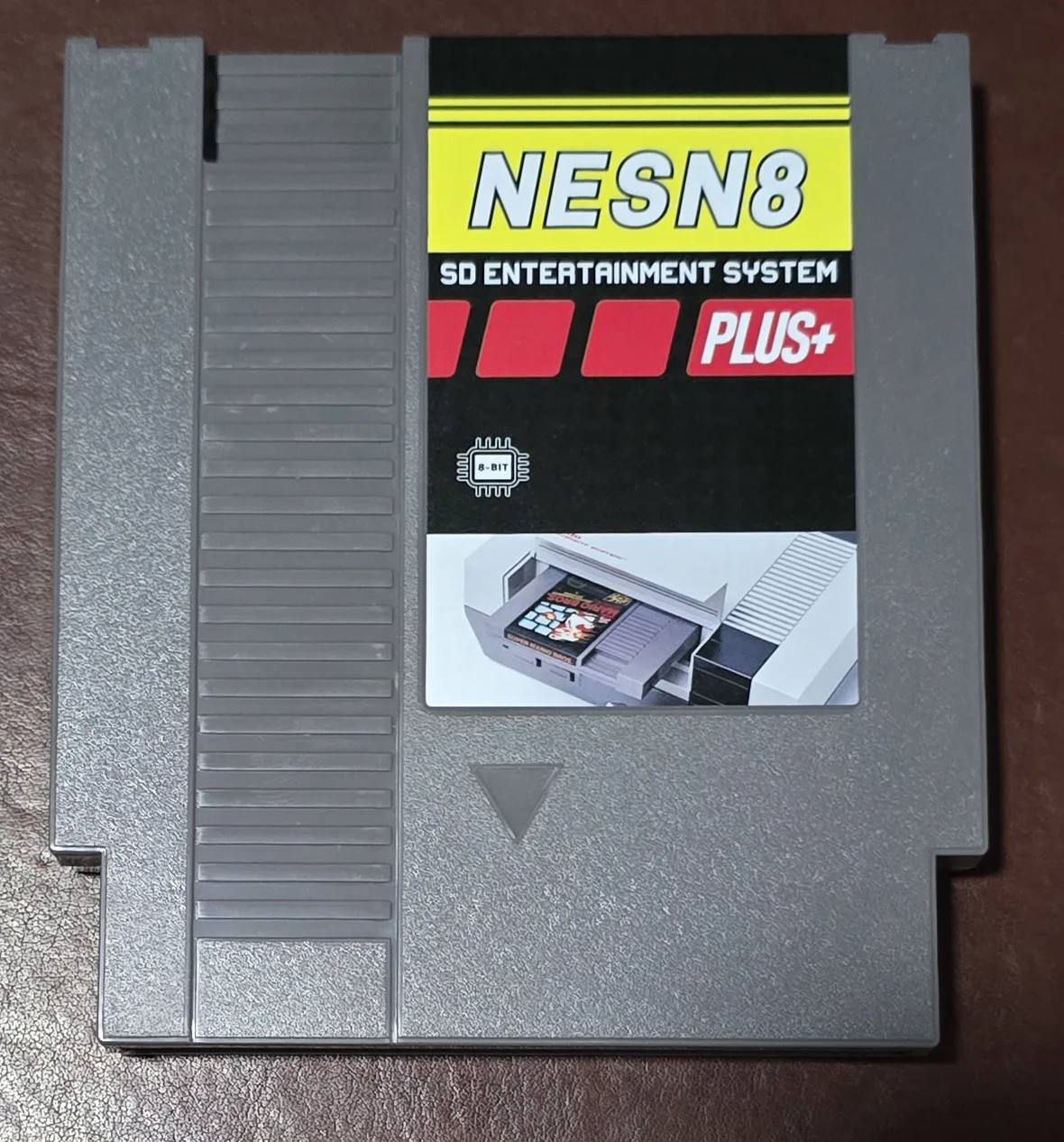
NES N8 Pro Flash Cart - microSD Everdrive-Style Cartridge (Tetris / TetrisGYM Ready)
The SD flash cart the Classic Tetris scene actually runs on - load TetrisGYM and the CTWC competition ROM on real NES hardware. An Everdrive N8 Pro-style cart, bench-tested by me before it ships.
$75.00
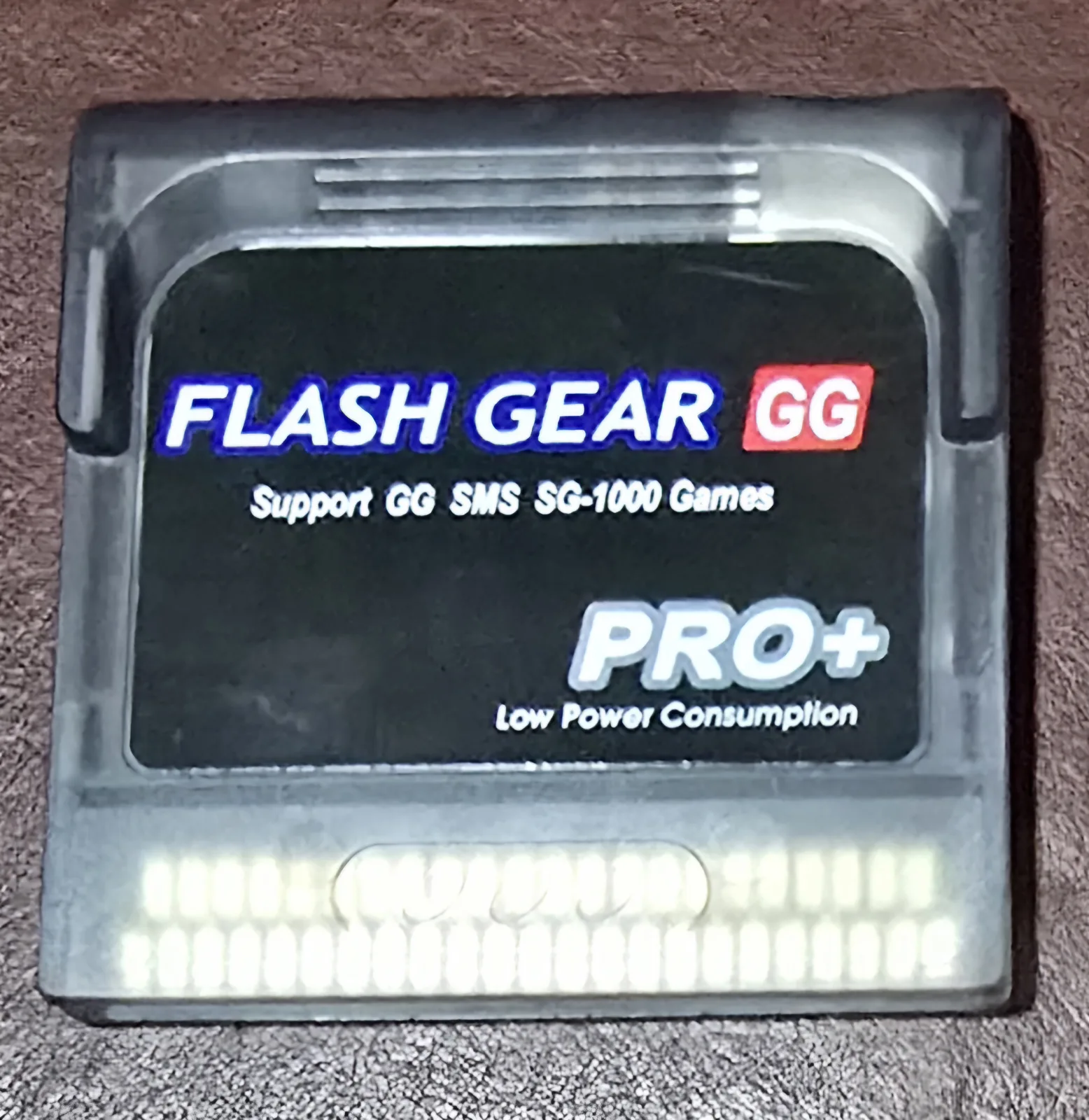
Flash Gear GG Pro+ - Game Gear / Master System / SG-1000 microSD Flash Cart
A microSD flash cart that plays the whole Game Gear, Master System and SG-1000 libraries on your Game Gear - a budget Everdrive alternative in a slick smoky shell.
$50.00
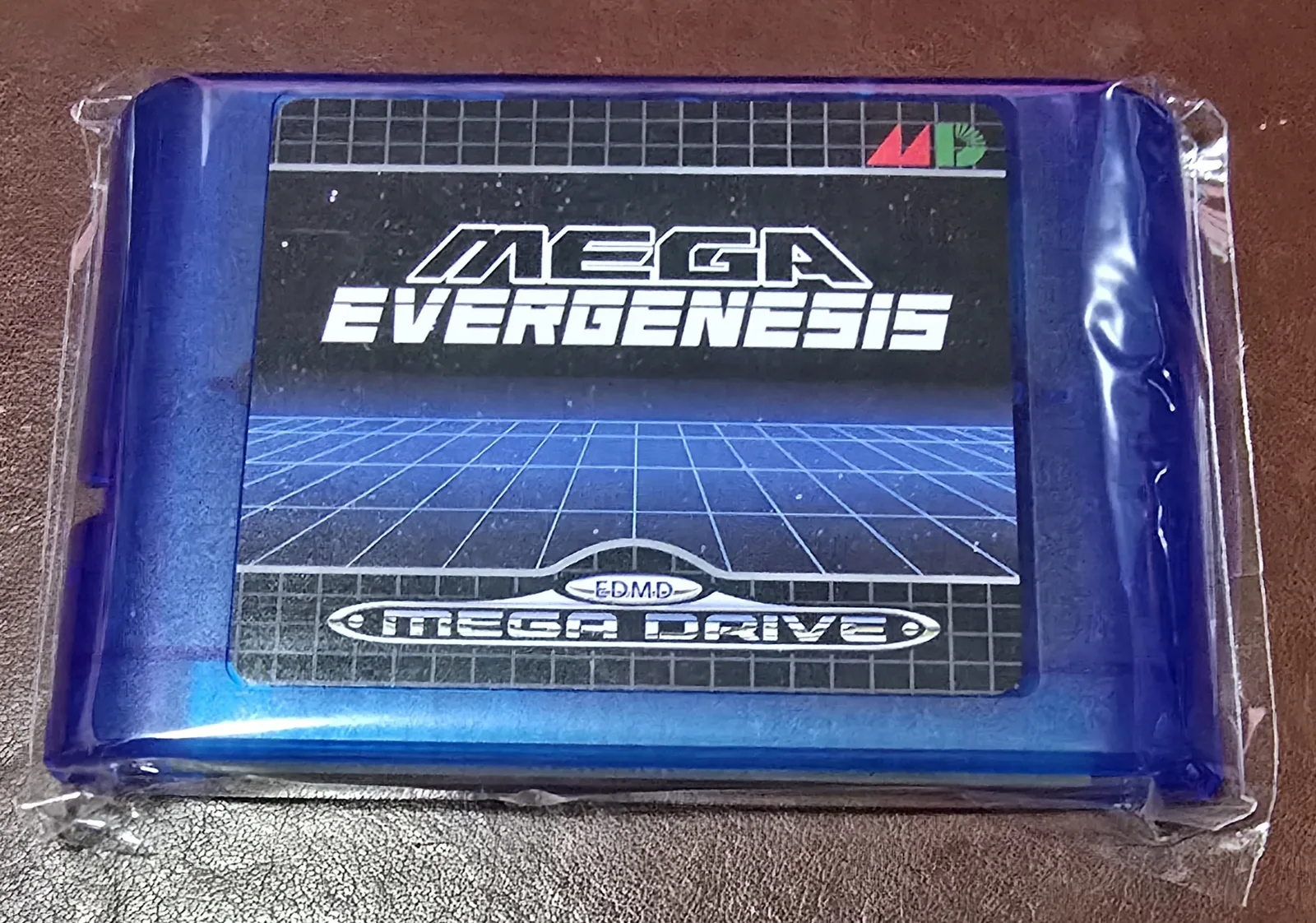
Genesis / Mega Drive microSD Flash Cart - Everdrive-MD-Style (Genesis + Master System)
A microSD flash cart that runs the whole Genesis / Mega Drive library - plus Master System - off an SD card. A budget Everdrive-MD alternative, bench-tested by me before it ships.
$50.00
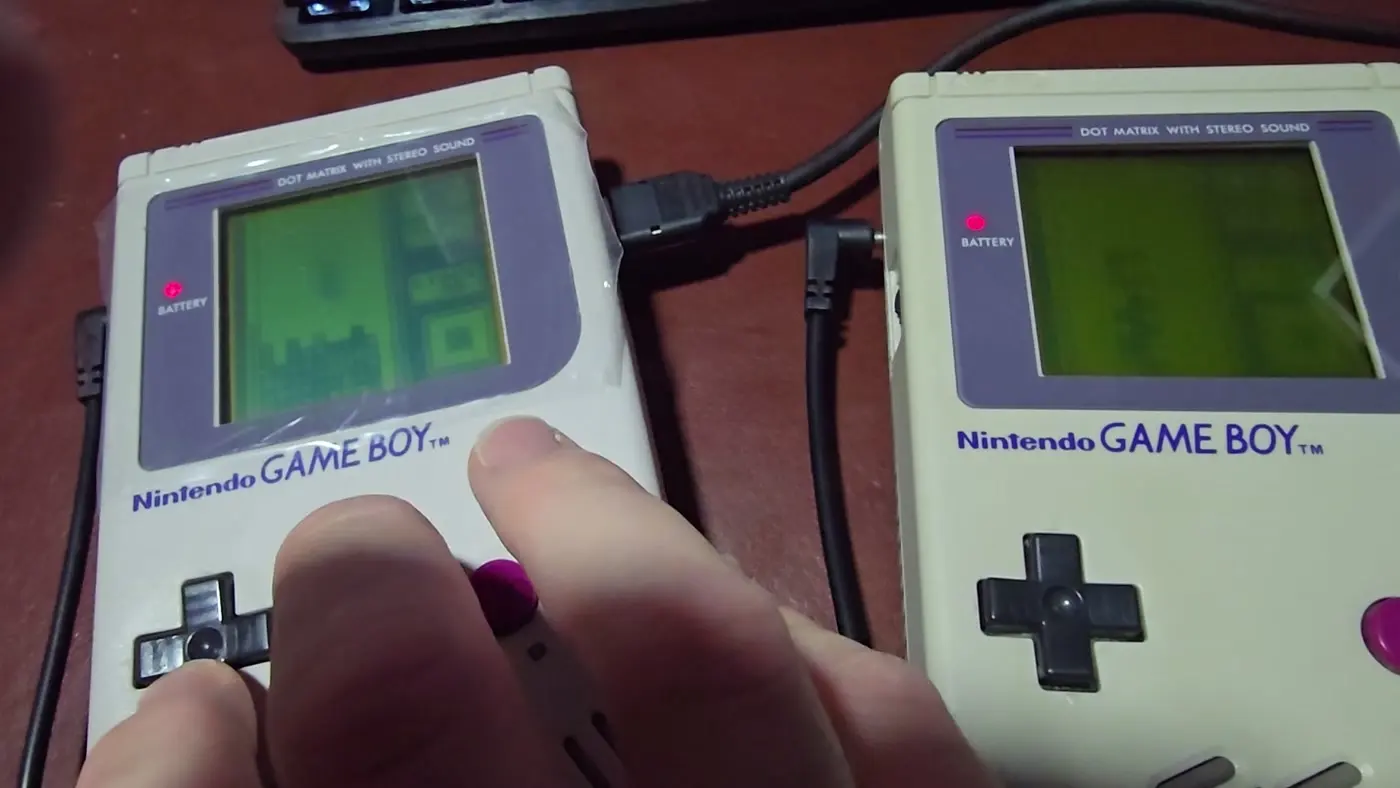
Game Boy Head-to-Head Bundle - Two Restored DMG-01s, Tetris, Link Cable & Flash Cart
Two restored original Game Boys, a genuine Nintendo link cable, and Tetris. The exact setup Nintendo built the link cable for in 1989, assembled and tested as a pair.
$350.00