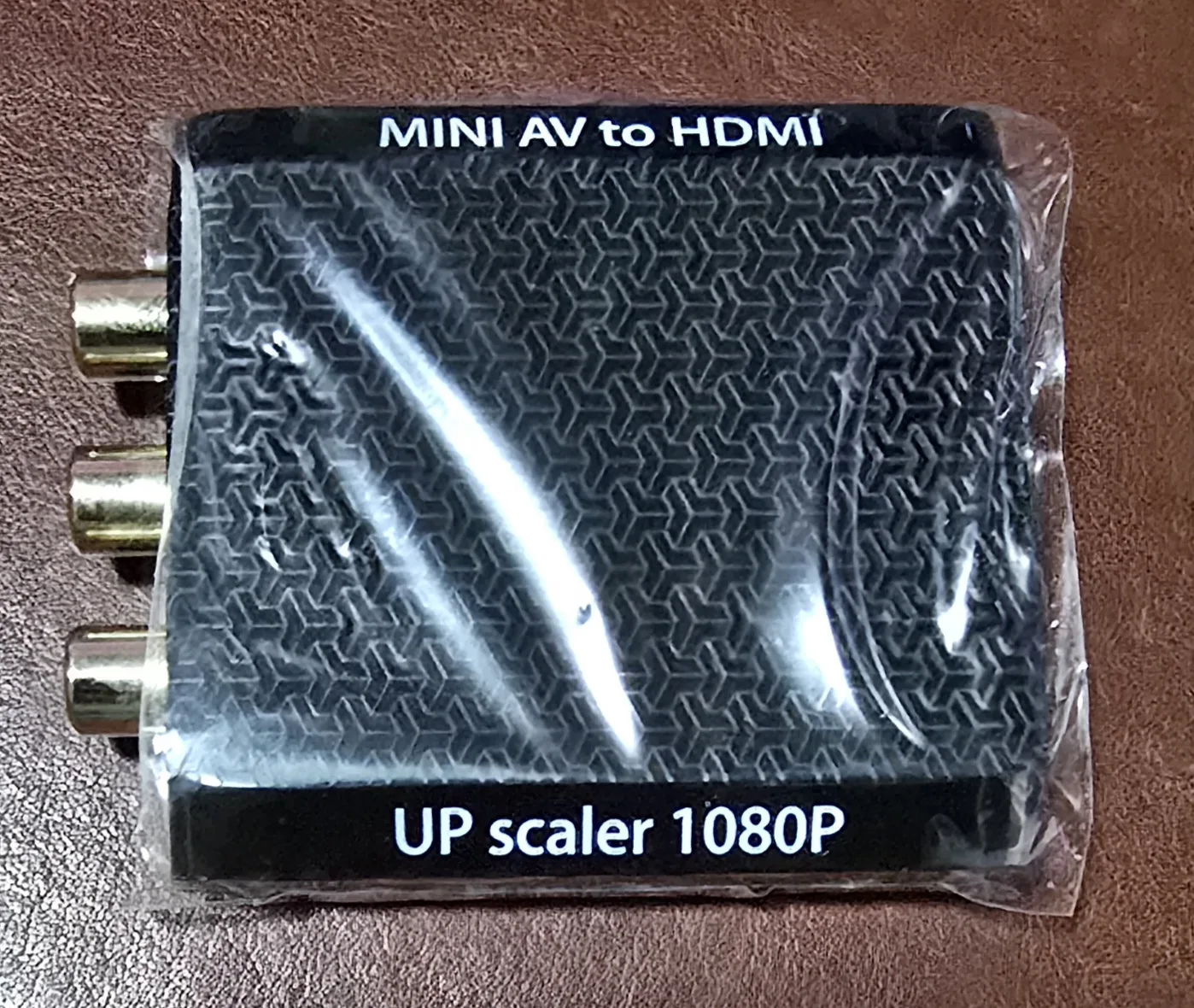
Composite AV (RCA) to HDMI Converter - Compact, USB-Powered, Bench-Tested
A tiny composite-to-HDMI converter that gets a composite (RCA) console onto a modern HDMI TV, powered off any USB port. Bench-tested; the composite counterpart to my SCART/RGB converter.
Composite in, HDMI out - the simple, portable option
This tiny converter takes a console’s composite (RCA) A/V - the yellow/white/red plugs - and puts it out over HDMI at 720p or 1080p. It’s the most compact, fuss-free way to get a composite-only console onto a modern TV, and the counterpart to my SCART/RGB quality converter for setups that don’t have (or don’t need) an RGB SCART chain. Bench-tested and confirmed working before it ships - cheap converters are a dead-on-arrival crapshoot, so I only pass along ones I’ve verified.
Powered off any USB
No proprietary brick: the device takes 5V on a USB-C port, and it ships with a USB-C-to-USB-A cable so you power it from any USB-A source - a phone charger, your TV’s USB port, or a battery bank. (Heads-up: it’s the cable in the box, not a wall plug - you supply the USB-A port, which most people already have a few of.)
About latency - the honest version
I originally picked these up hoping they’d behave like a low-latency line-doubler for competition and speedrun setups - the theory being that less processing than a full scaler means less lag. But I’ll be straight with you: this unit labels itself an “upscaler,” and cheap AV-to-HDMI upscalers often add lag rather than avoid it. So I’m not going to call it a competition display until I’ve measured it. It’s going on my oscilloscope - for both the amount of delay and how consistent it is - and the real figures will land right here. Until then: great for getting a composite console onto an HDMI TV; unproven for frame-perfect competitive play. If that’s your goal, message me for where it currently stands, or look at a purpose-built line-doubler.
Why latency matters (and why I bother measuring)
For competition or speedrun play, display lag is the game, and two things matter:
- Duration: a single NES frame is about 1/60th of a second (~16.7 ms). Top NES Tetris players and speedrunners hit frame-perfect inputs constantly, and human reaction is already near its limit (~150-250 ms) at that level - so every extra millisecond of display lag eats a margin you don’t have.
- Consistency: this matters even more, and gets overlooked. Lag you can predict, you can learn - muscle memory adapts to a steady offset. Lag that jitters frame to frame is poison: inputs land on different frames unpredictably and practice can’t fix it. That’s exactly why I won’t put a “low lag” sticker on something I haven’t put on a scope.
Composite vs RGB - which do you want?
- Only have RCA/composite out, or you want the smallest, USB-powered option -> this one.
- Want the sharpest picture from an RGB console -> the SCART/RGB converter (it buffers a frame for a cleaner image, trading a little latency for quality).
Specifications
| Compatibility | Any console with composite (RCA) A/V output |
|---|---|
| Condition | Bench-tested and confirmed working before it ships |
| Includes | The converter and a USB-C-to-USB-A power cable |
| Input | Composite video (CVBS, yellow) plus stereo audio (L/R) on RCA jacks |
| Latency | Not yet bench-measured; not verified as low-latency (this is labeled an upscaler - see the listing). Not currently positioned for frame-perfect competitive play. |
| Output | HDMI at 720p or 1080p (button-switchable) |
| Power | 5V via a USB-C port; ships with a USB-C-to-USB-A cable, so it runs off any USB-A source (a USB charger, a TV's USB port, a battery bank). No wall adapter included - just the cable. |
| What It Is | Mini composite (AV/RCA) to HDMI converter, 720p/1080p output |
Similar items
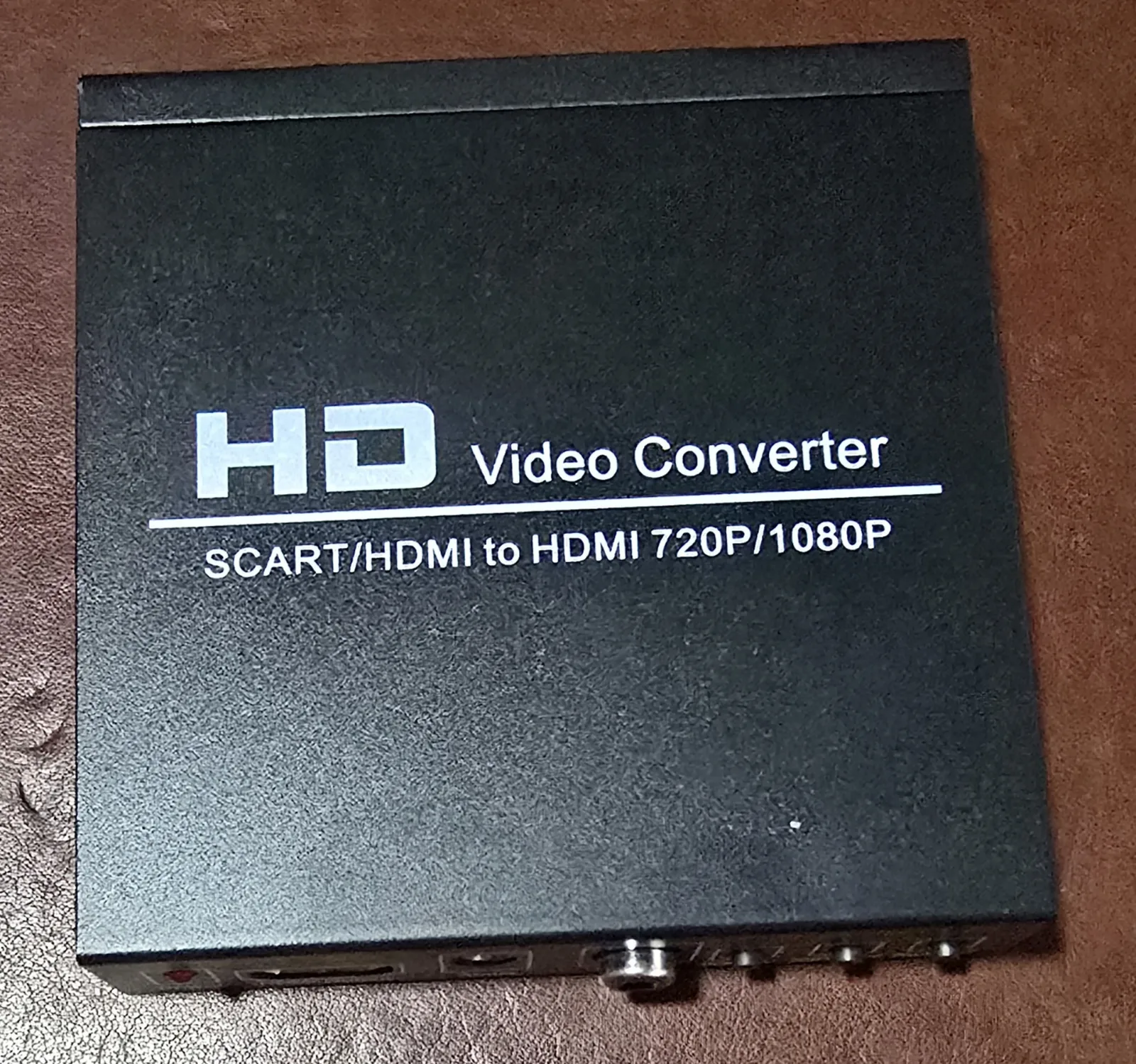
SCART to HDMI Converter (RGB / Composite to HDMI 720p/1080p) - Bench-Tested
The quality-first SCART-to-HDMI converter I put in most of my bundles - turns almost any console's RGB or composite output into a sharp HDMI signal. 5V-powered and bench-tested before it ships.
$50.00
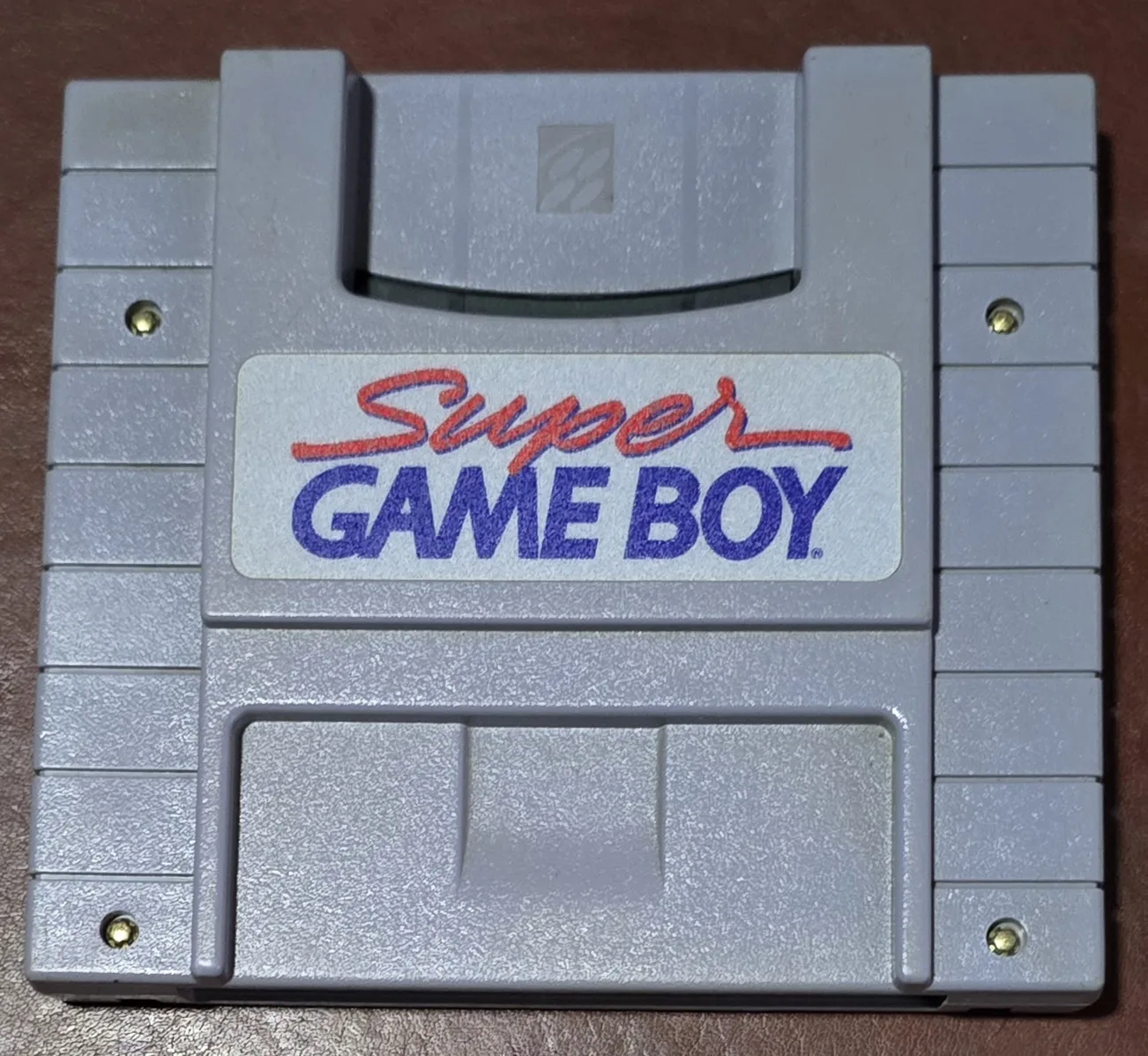
Super Game Boy - Play Your Game Boy Library on the SNES (Tested & Cleaned)
Not an adapter - an entire Game Boy on a chip, tucked inside an SNES cartridge. Acceptable or better, tested and cleaned. Plays original Game Boy (DMG) carts on your SNES - note: Game Boy Color-only games won't run.
$50.00
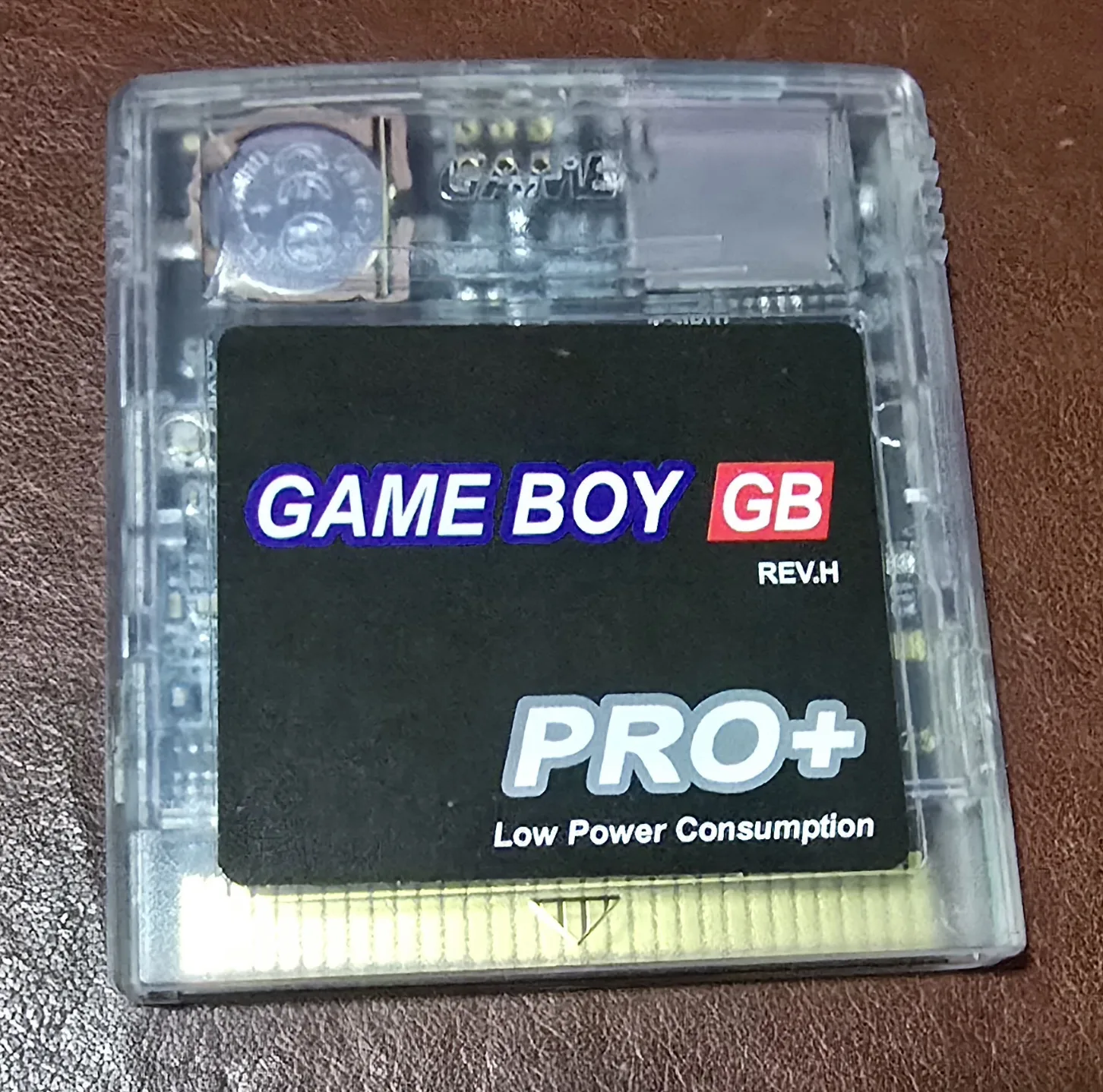
GB Pro+ - Game Boy / Game Boy Color microSD Flash Cart
A microSD flash cart that runs the Game Boy and Game Boy Color libraries off one card, in an original Game Boy. Ships blank and ready for you to load, and opened and bench-tested by me before it goes out.
$50.00
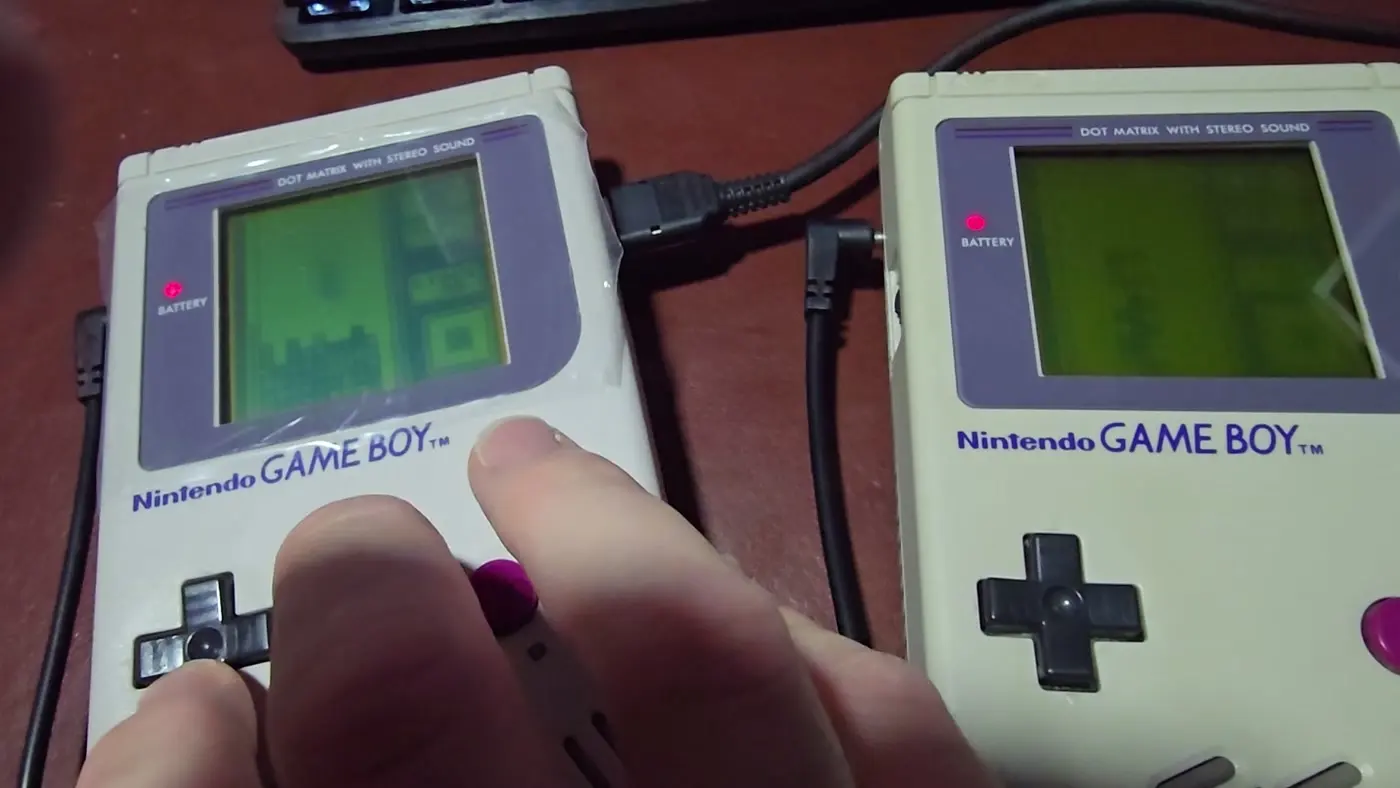
Game Boy Head-to-Head Bundle - Two Restored DMG-01s, Tetris, Link Cable & Flash Cart
Two restored original Game Boys, a genuine Nintendo link cable, and Tetris. The exact setup Nintendo built the link cable for in 1989, assembled and tested as a pair.
$350.00